
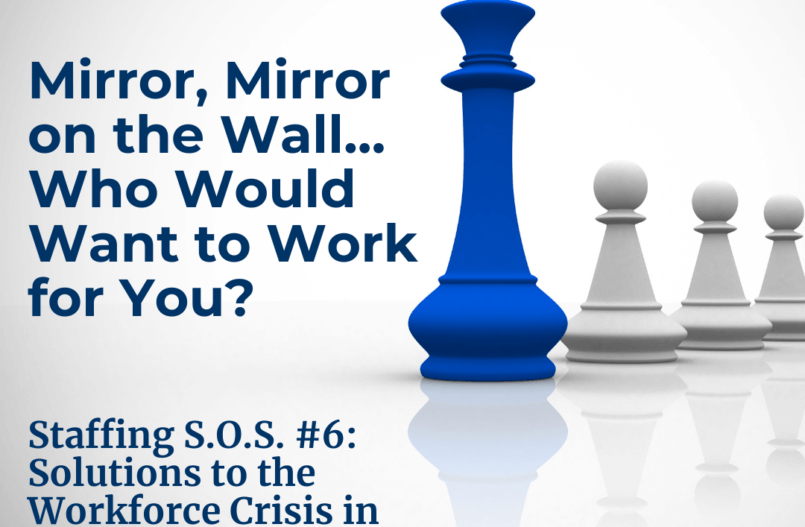
“Leadership” may be among the most frequently used and least understood terms in business literature. It’s right up there with “strategic” as one of the most misused words in the business communications lexicon. At a fundamental level, leadership has to do with visibility; leaders position themselves so that they are seen and, by being seen, instruct, inspire, and set the direction for the team and the organization.
A venerable reference, recently updated, Kouzes and Posner describe five practices of exemplary leadership.[1]
Successful leaders need to:
- Set an example
- Inspire vision
- Challenge the process
- Enable followers
- Encourage the heart
Nothing to argue with here, right?
Leadership’s Purpose
Leadership has a mission-critical role in developing or defining an organization’s culture. You recall from our last article, that “Culture eats strategy for lunch”!
Leadership plays a pivotal role in shaping and defining organizational culture. Effective leaders not only set the direction and vision for their teams or organizations but also influence the behaviors, values, and norms that characterize the culture.
- Vision: Leadership provides a clear vision and direction for the organization. This vision serves to align the efforts of all members towards common goals and objectives. A well-articulated vision inspires and motivates individuals, fostering a sense of purpose and direction. However, a vision manifest in the life of the leader can change everything!
- Values & Behaviors: Leaders embody the values of the organization. Through their behaviors, decisions, and dignity actions they demonstrate what is important and acceptable. Alignment between values that are stated or written, with day-to-day behavior, builds trust and credibility. Inconsistency is quickly seen as suspect at best, hypocritical at worst.
- Communication: Effective leaders communicate effectively. They foster ideas and feedback, which in turn encourages collaboration and innovation. Clear communication helps to align everyone towards shared objectives and promotes a culture of accountability.
- Empowerment & Development: Strong leaders empower their teams, fostering a culture of trust and, if appropriate independent action – autonomy. Self-assured leaders offer opportunities for growth and development, recognizing individual strengths and talents. Insecure leaders do not. By “skilling up” their people, effective leaders cultivate a culture of continuous learning and improvement.
- Resilience: Stress in healthcare environments is at the root of most staff burnout. In a hectic environment, resiliency is essential. Leaders must be agile and responsive to change, guiding their teams through uncertainty and challenges. A resilient culture, characterized by flexibility and perseverance, enables organizations to thrive in the face of extraordinary stressors.
- Inclusivity & Diversity: Inclusivity and diversity are significantly correlated with resilience. By championing equity and fairness, effective leaders create cultures where many voices are heard and valued. Embracing diverse perspectives fosters creativity and innovation.
- Accountability: Good leaders hold themselves and others accountable for their actions and do not play the “blame game.” Rather, they uphold high ethical standards for themselves and others. This often requires further clear and balanced conflict management. By fostering accountability, leaders create environments where trust and respect flourish.
Self-Esteem and Boundaries
If this inventory of effective leadership sounds too idealistic and virtually unattainable: Congratulations! No one is perfect.
In essence, leadership shapes organizational culture by setting the tone, fostering collaboration, and promoting values that align with the mission and goals of the organization. Effective leaders understand the importance of culture in driving performance and are intentional about cultivating an environment where individuals can thrive and succeed.
At the very bedrock of effective leadership is self-esteem and respect. Self-esteem is necessary so that the leader when he or she recognizes an error can openly and frankly acknowledge it and respond candidly. Whether the error was hers, or someone else’s, this ability to recognize, acknowledge, and move forward through mistakes is an essential personal quality of truly exceptional leaders.
The ability to acknowledge an error depends upon healthy boundaries – interpersonal and organizational. Concerns about, “What the boss might say?”, or “What will they think of me?” must be set aside.
Leadership & Staff Retention
As we have written about before, healthcare workers too often quit their jobs because of the broken relationship with their supervisor. Relationships between frontline healthcare workers and their supervisors are not “would be nice” characteristics, but strategically critical elements to staff retention. In the years following the pandemic, healthcare, and long-term care in particular, have lost hundreds of thousands of frontline caregivers. This burnout is certainly due to the changed circumstances, however it is also true that many nurses, nursing assistants, and other frontline workers persevered (were “resilient”). The major contributing factor to staff retention is the strong emotional and ethical bond that these enduring workers have with their supervisors. This is leadership manifest in a crisis, and a culture worth working toward.
As always, it would be our pleasure to be of assistance as you navigate these difficult, changing times. You can contact Irving Stackpole directly by email: istackpole@stackpoleassociates.com or call +1-617-719=9530.
[1] Kouzes JM, and Posner, BZ. The Leadership Challenge: How to Make Extraordinary Things Happen in Organizations 7th Edition. 2023