

Health systems around the world continue to groan under the strain of increased demand and fewer staff. These constraints create public health challenges, economic disruptions, and personal distress. Patients can’t get out of or into hospitals either because medically fit patients are unable to be discharged, or staffing isn’t available to deliver essential care. Doctors, nurses, and other frontline providers are suffering levels of burnout unseen before.
Efficiency and effective transitions of care are now and will be essential for remediation of the root causes of these problems.
In 2010, a pioneering group of doctors and computer scientists in Boston collaborated to create a “preflight checklist” and computer animation to help with discharges from a safety net hospital that had experienced many of the current difficulties – if for very different reasons.
This pioneering project is re-engineered discharge (RED).
The re-engineered discharge principles work. Our RED has been rigorously tested and shown to reduce unnecessary hospital readmissions, reduce the time required to transition a patient from one care venue to another, increase patient satisfaction, and improve staff satisfaction and loyalty.
What’s not to like?
These 12 principles in Project RED are liberally borrowed from other enterprise domains such as continuous quality improvement/lean management, the checklist manifesto, and systems management. The RED principles, when coordinated with the computer-assisted conversational agent, provide an additional level of efficiency, staff satisfaction, and patient adherence.
In transitioning from one care venue to another, problems emerge with a host of variables that can’t be satisfactorily coordinated or controlled. For example, when leaving the hospital, the nurse may or may not give the departing patient and her family complete or accurate instructions on wound care, including what to look for, when to change the dressing, how to bathe without getting the wound or the dressing wet, how to recognize if the wound is infected, etc.
In the RED system, the discharge instructions are not only printed in a complete, color-coded, and easy to understand language (the patient’s primary language), the instructions are provided by an animated avatar, sometimes referred to as a “conversational agent.” The discharge planning session can take as long as the patient or her family deems necessary; the computer never runs out of patients or gets distracted by an emergency down the hall. In clinical testing, patients not only experienced better outcomes with the RED plus conversational agent, they actually preferred a conversational agent to an in-person nurse!
RED was designed with a particular problem in mind; how to reduce unnecessary hospital readmissions by improving the point of transition – the discharge – from the hospital to the next setting (whether that’s home, home with home care, a nursing home, or a congregate care residence). But the principles of RED can be applied to any point of transition between and among care venues experienced by a person receiving care. Think about the difficulties of relocating a person from a skilled nursing center to home. All of the same questions, concerns, patient points of engagement apply as when someone is discharged from hospital.
Reducing or eliminating the difficulties, problems, and errors associated with transitions of care could save billions of dollars in the United States alone. Project RED has demonstrated its ability to reduce hospital readmissions by as much as 20%, and the same principles of efficiency when applied to other transitions of care will demonstrate equal or greater value.
Learning Exchange: Tan Tock Seng Hospital & Project RED
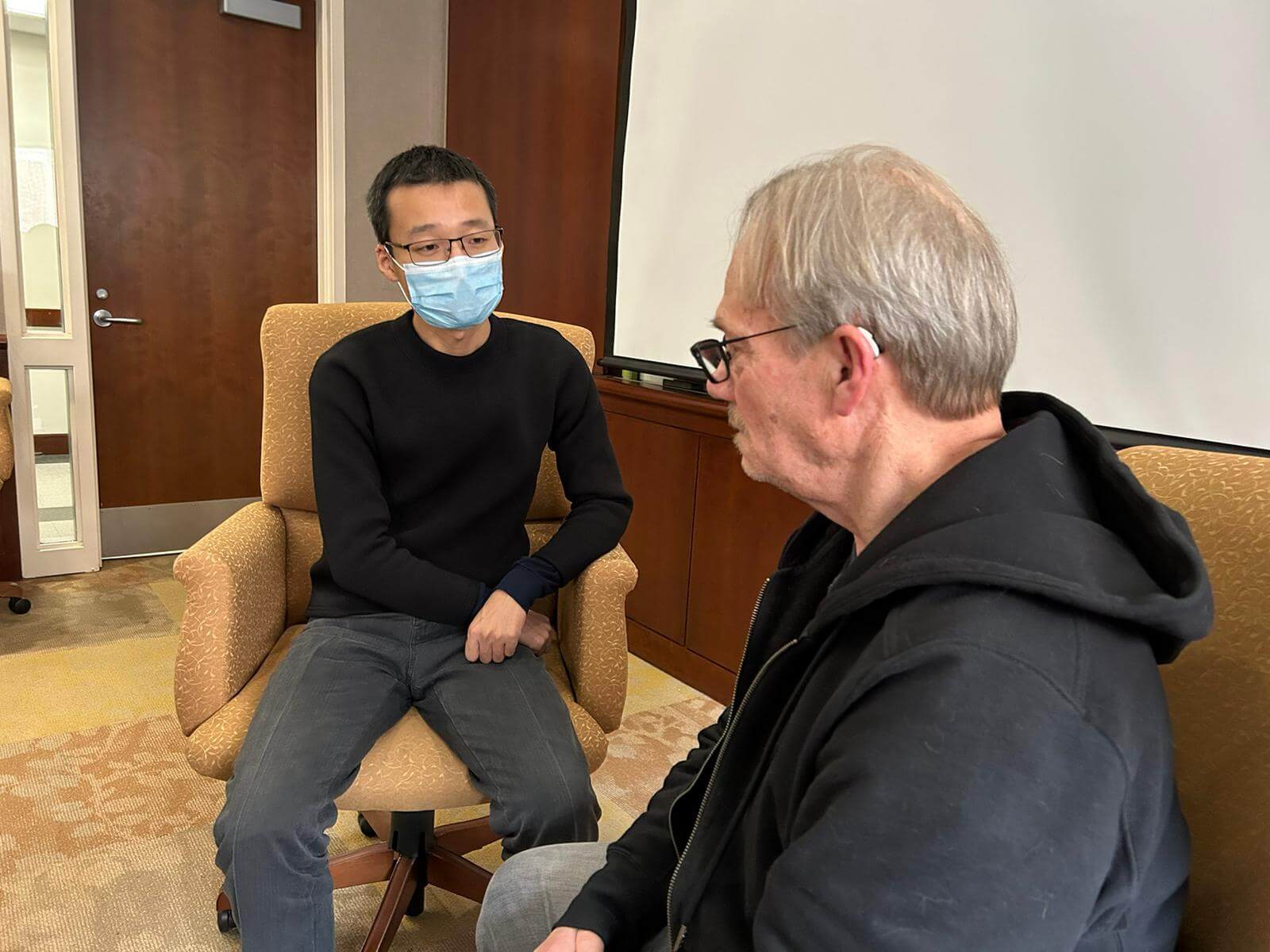 The drivers behind Project RED’s work to reengineer hospital discharges is clear. The seminal articles putting forth the principles and operational components of the re-engineered hospital discharge have been published in the most prestigious peer-reviewed medical journals, validated in replication studies and are among the most widely cited literature in healthcare. This reputation led a group of clinicians and administrators at Tan Tock Seng Hospital (TTSH) to undertake the adoption of our RED principles and hospital discharges.
TTSH like many hospitals around the world is challenged by high occupancy and the difficulties associated with transitioning patients out of the hospital safely to other care venues for home. In the process of adoption, TTSH clinicians contacted Dr. Brian Jack of Boston University Medical Center to consult regarding the clinical and organizational principles of RED. As a result of that communication, a learning visit was scheduled by TTSH nurses, case managers, and administrators. The learning visit took shape and was completed in March of 2023. It included five representatives from TTSH including the doctor, three nurses and an administrator.
The Learning visit comprised eight intensive days of classroom instruction and interactive demonstrations around the principles of RED with Dr. Jack as well as two other investigators/developers of RED, Suzanne Mitchell and Mark Williams. In addition to the classroom time, the TTSH visitors toured the operations of Boston Medical Center, visiting the emergencies department and other clinical settings to see firsthand the application and challenges associated with the United States healthcare system at a busy urban medical center. Complementing this were learning visits to a skilled nursing center where the TTSH team had a chance to see firsthand post-acute care and the coordination of acute and post-acute services.
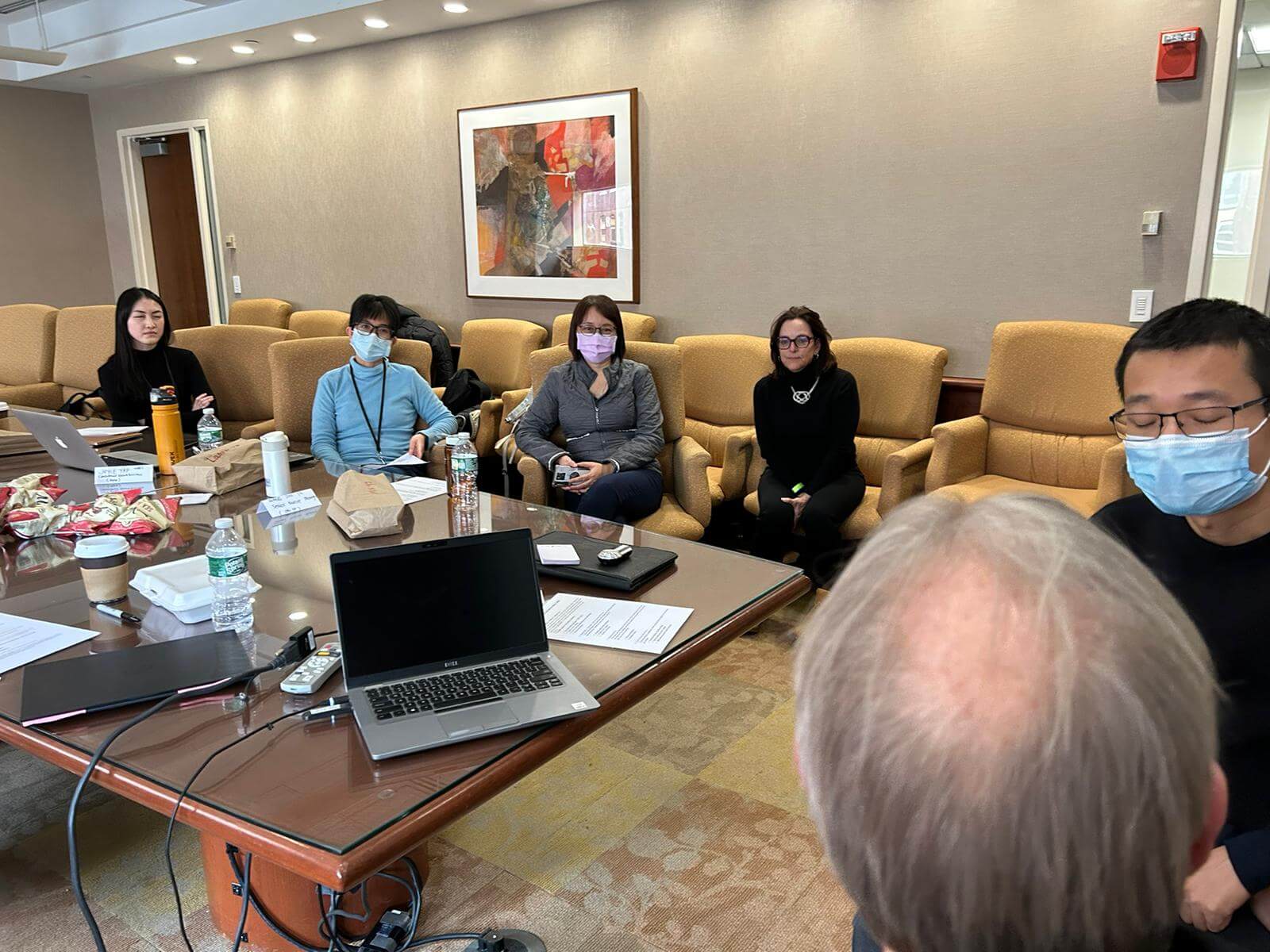 In addition, to round out the review, the TTSH representatives spent a day at a senior center in suburban Boston, reviewing with a wide range of community leaders how community care is delivered. The TTSH team heard from the executive director of the Billerica senior center, their comprehensive team of social workers, transportation and activities, as well as the chief of police and the emergency medical services provider in the town.
In addition to the clinical, operational, and organizational dimensions of our RED, the group was also briefed by the creators of “Maya,” the animated conversational agent which supplements the checklist principles associated with our eating. Maya is a fully animated avatar that delivers discharge instructions and offers reliable and consistent guidance to patients being discharged and their families. Maya, a creation of a IT/AI startup, Maya MD, is a remarkably lifelike “conversational agent” which can interact with patients in their own language, in their own time, and provide as many explanations as are necessary to fully engage the patient and her family after hospital care.
Finally, the full operational deployment of RED and Maya was reviewed and discussed with the team, and a plan generated with measurable benchmarks along the way. An experienced nursing executive with over 10 years of operational experience with RED helped a team from TTH understand and navigate critical organizational obstacles.
This substantive learning visit was arranged by and coordinated through Project RED Solutions, a consulting and training firm dedicated to improving the effectiveness and efficiency of transitions of care.
 Dr. Brian Jack, Principal Investigator for Project RED, along with an extensive network of experts with experience in every facet of healthcare services, are available to explore how Project RED principles can be applied to your organization to improve transitions of care, reduce readmissions, and other important measurable benchmarks of patient care.
Interested in learning more? Visit Project RED Solutions